The Small Island with a Big Heart
Being 27 km long and 19 km wide, the small size of Malta means that, to me, the idea of a ‘hometown’ is somewhat blurred. So many key experiences have occurred in various towns that I consider my roots to be spread across Malta rather than tied to a single town.
To me, the beauty of Malta lies with the fact that it's a living museum and a melting pot of cultures. From our semitic language with Roman and Anglosaxon influences, the prehistoric Ä gantija and Mnajdra temples, to the fortifications of Valletta, each part of the island tells a story. I also consider us lucky to never be too far from a beach and have the ability to escape to the other Maltese islands - Gozo and Comino.
Yet, as we continue to advance and modernise to adapt to a faster pace of life, driven by economic growth and globalisation, we are slowly losing what makes the country so special. Traditions such as Maltese lace (“bizzilla”), farming and the sense of community are slowly eroding, and have become things only shared by the older generation.
One of the most concerning aspects of this cultural shift, to me, is the decline of the Maltese language. While English is one of Malta’s official languages and undoubtedly opens doors to countless opportunities, it is important to appreciate that such a small country has its own language, which is a key symbol of our history and previous generations’ resilience.
Lastly, Malta is a victim of over development, which has led to the loss of natural habitats and puts pressure on our limited resources. Our beautiful landscapes are what drive the tourism industry in Malta, yet we are slowly becoming a concrete jungle where it’s rare to find a place without a crane on site.
However, technology can be used to promote Maltese culture, for instance, making tutorials on Maltese crafts available online and increasing the limited resources available to promote and teach the Maltese language to both locals and the diaspora. Technology can play a key role in making our culture and heritage accessible, and meeting people where they are today.
Moreover, technology can also aid in creating a more sustainable Malta. Smart development practices such as waste separation, energy generation and sustainable development practices can help strike a balance between preservation and necessary advancements. Technology can play a huge role in protecting and restoring our seas and life below water.
Ultimately, while to others Malta might seemly be a small dot in the Mediterranean, to me it is a magical island that I feel so lucky to call home. It is a true gem with a powerful history of heritage, community, and resilience. By applying technology and innovation to address the setbacks we currently face, we can ensure that we adapt and advance to the current realities while maintaining what makes us so special.
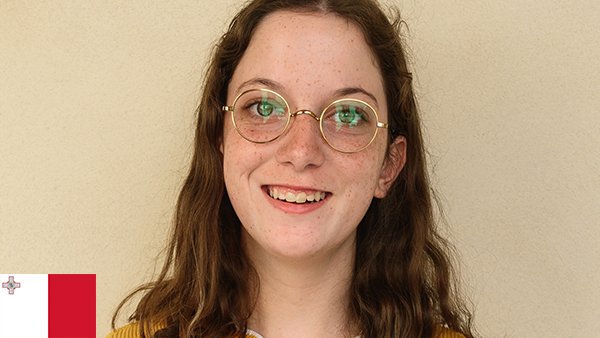
 Amy Calleja on 09/09/2024